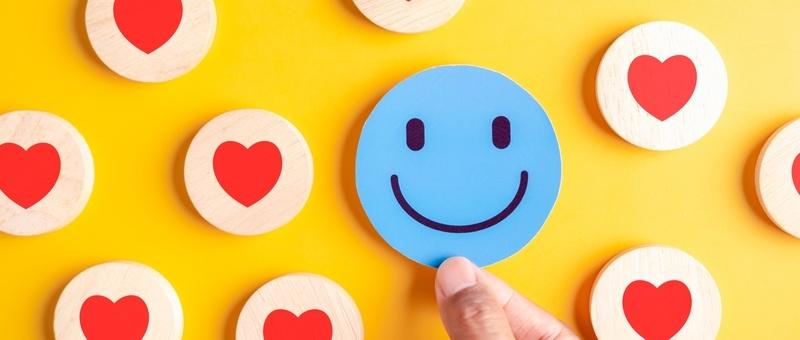
Why being kind helps others and benefits you too
Peer reviewed by Dr Colin Tidy, MRCGPAuthored by Victoria RawOriginally published 11 Feb 2026
Meets Patient’s editorial guidelines
- DownloadDownload
- Share
- Language
- Discussion
We’ve all heard that kindness begins at home, but science suggests it actually stays there, too. We often think of acts of kindness as something that mainly serves others. Yet, evidence shows that what’s good for the receiver is just as good for the giver. We asked experts to break it down for us - and explain how being kind can boost your own wellbeing, in ways that hit closer to home than you might think.
In this article:
Continue reading below
How kindness affects your body
Kindness can be practical, such as offering support or lending a hand, but it can also be quiet and everyday - showing patience, expressing gratitude, checking in on someone, or simply choosing empathy when it would be easier not to.
Dr Sadie Elisseou, a primary care physician and advocate for trauma-informed care in Greater Boston, USA, says kindness - like all human behaviours - can be understood through different lenses.
From a biological perspective, she explains, kindness can trigger a cascade of hormonal responses that reinforce it as a positive behaviour. When you perform an act of kindness, your body releases certain chemicals that influence how you feel, think and connect with others.
These include:
Oxytocin - often called the ‘love hormone’, this is released during close connection and bonding, such as breastfeeding, and plays a key role in forming social bonds.
Dopamine - a feel-good chemical linked to pleasure and reward, which can contribute to what’s sometimes described as a ‘helper’s high’.
Serotonin - a neurotransmitter that helps regulate mood and contributes to feelings of wellbeing and emotional stability.
“These biological effects are also noted when we receive or witness kindness from others,” says Elisseou. “In essence, kindness is a built-in biological mechanism that helps humans feel good in connection with other humans - and thus supports our survival.”
What is ‘helper’s high’?
‘Helper’s high’ might sound a bit Breaking Bad, but it’s actually a well-documented effect recognised by clinical experts.
According to Dr Lakshman Mulpuri, a Chicago-based physician and Medical Advisor at Switch4Good Inc., the ‘helper’s high’ is a phenomenon linked to increased endorphins, an elevated mood, a feeling of warmth in the body, and a sense of meaning or purpose.
“People on the receiving end also experience benefits - reduced stress, increased feelings of connection, and emotional relief,” he says. “While we have less direct research on the receiver's neurochemical response compared to the giver's, the psychological and stress-reducing effects are well-documented.
“In essence, kindness creates benefits for both people involved.”
The health benefits of being kind
Back to contentsBeyond the general feel-good vibes, research suggests that acts of kindness, in whatever form they take, can have positive effects on your health. These benefits aren’t limited to mental wellbeing - they can influence your physical health too.
Less stress, feel better
Our stress hormones aren’t designed to make us anxious - they actually help us succeed in certain situations.
Elisseou explains that while stress hormones can help you perform well on a test, too much stress can be toxic and harm your performance.
“Studies find that kindness reduces cortisol in a way that positively impacts health,” she says. “For example, less of the ‘bad stress’ means better cardiovascular health, improved immunity, and enhanced mental wellbeing.”
Mulpuri adds that lowering cortisol levels through acts of kindness can also reduce inflammation, improve sleep, and boost metabolic health, helping to prevent conditions such as diabetes.
“Kindness helps gently turn down that stress dial,” he says.
How kindness helps your heart
Oxytocin - one of the hormones released during acts of kindness - may help support heart health.
“Research shows that oxytocin can promote blood vessel relaxation and may help reduce blood pressure in some contexts,” says Mulpuri. “Studies have also found that oxytocin has anti-inflammatory properties, which could theoretically benefit cardiovascular health over time.”
He does note, however, that most of the evidence comes from studies where oxytocin is given in controlled settings - not from the natural boosts we get through normal social contact.
“What we can say more confidently is that positive social connections and supportive relationships are consistently linked to better heart health outcomes,” he adds.
“Who you surround yourself with matters. Whether oxytocin is the primary driver of this benefit, or just one of many factors, is still being researched.”
Could kindness help you live longer?
Some evidence suggests that acts of kindness may affect the body in ways that could even support a longer life.
Elisseou explains that numerous studies have found that strong social support - including positive, supportive relationships - is linked to a longer lifespan.
She says: “A growing body of research shows that kindness, empathy, and compassion can affect our bodies right down to our cells.”
Mulpuri agrees, noting that people who regularly engage in helpful behaviour towards others tend to live longer, develop fewer long-term health conditions, and maintain better cognitive function.
“Supportive, kind relationships strengthen these effects,” he says. “Humans are biologically wired for connection. Longevity isn’t just about what you eat or how much you exercise - it’s also about belonging, meaning, and mutual care."
Mulpuri adds that sustained positive social connections may be especially important. This is because they help buffer stress and reinforce feelings of safety and belonging, which can reduce long-term physiological wear and tear.
Long-term mental health benefits
As a physician, Elisseou says many of her socially isolated patients experience more symptoms of depression, anxiety, and loneliness.
She explains: “Conversely, those who are embedded in a strong social network, and those who contribute to causes they find meaningful, are more likely to be happier, take less psychiatric medicine, and struggle less day to day with mental health symptoms.”
Mulpuri adds that, in people with anxiety, acts of kindness can activate the parasympathetic nervous system (PSNS) and promote a sense of calm.
“In those struggling with depression, it may increase the ‘feel-good’ chemical dopamine and reduce rumination by shifting focus outwards,” he says. “It also reinforces social connection, directly addressing loneliness.”
He notes that this applies to both sides of the exchange - people who give feel more meaningful and connected, while those who receive feel seen and valued.
“From a clinical perspective, engaging in prosocial behaviour is one of the most accessible interventions we can recommend for mental health support,” he says.
How to make kindness a daily habit
There are countless ways to practise kindness, and no single approach is better than another. What feels meaningful to one person may look completely different to someone else. The Random Acts of Kindness Foundation offers plenty of practical tips you can start using straight away.
Our experts also share a few guidelines to keep in mind if you want to make kindness a more regular part of everyday life.
Elisseou explains that kindness can be as simple or as intricate as you choose.
“Consider taking a daily moment upon waking to feel thankful for living, approving of your body, and committed to taking care of yourself,” she says. “Think about how you might make someone else’s day a little easier, brighter, or more hopeful. Kindness is often most powerful in the small moments you share with others.”
Mulpuri adds that kindness can be as simple as genuine listening - not trying to solve someone’s problems, but simply being present.
“It's the small, consistent acts such as checking in or offering help,” he explains. “It's expressing appreciation out loud and being kind without expecting anything in return.
“Towards yourself, it means gentle self-talk, speaking to yourself as you would a loved one. It's allowing yourself rest without guilt, setting healthy boundaries, and allowing imperfection. Self-kindness strengthens your capacity to sustain outward kindness over time.”
Mulpuri concludes by describing how kindness has real biological power. It influences our stress hormones, supports heart health, and may even affect cellular ageing.
“The small moments matter,” he says. “Your body knows this, even when your mind doesn't. And the people around you feel it too.”
Patient picks for Relationships

Mental health
How to cope with the loss of a friend
Losing a family member - especially one you were close to - is a difficult and emotional experience. It often brings stress, grief, and even depression, particularly in the aftermath. But what about losing a friend who felt like family? Close friends can provide emotional and financial support just like actual relatives, making their loss just as devastating. This is why it’s important to recognise the impact of losing a friend and explore the support available to guide you through this type of loss.
by Victoria Raw

Healthy living
How to talk to your child about social media
When the coroner's report on Molly Russell - the 14-year-old who died from an act of self-harm -confirmed that social media had played a part in her death, it showed that social media content really can damage the mental health of our children and teenagers. How can parents and carers protect their children from this ever-evolving threat?
by Gillian Harvey
Continue reading below
Article history
The information on this page is peer reviewed by qualified clinicians.
Next review due: 11 Feb 2029
11 Feb 2026 | Originally published
Authored by:
Victoria RawPeer reviewed by
Dr Colin Tidy, MRCGP

Ask, share, connect.
Browse discussions, ask questions, and share experiences across hundreds of health topics.
Feeling unwell?
Assess your symptoms online for free
Sign up to the Patient newsletter
Your weekly dose of clear, trustworthy health advice - written to help you feel informed, confident and in control.
By subscribing you accept our Privacy Policy. You can unsubscribe at any time. We never sell your data.